



By Pranit Poojari, Lead, Growth Marketing | 04 November 2026
National Stress Awareness Day 2026 | A DEI Campaign Feature
“I told my stress I’d deal with it later. It said it would wait, and it has been very punctual.”
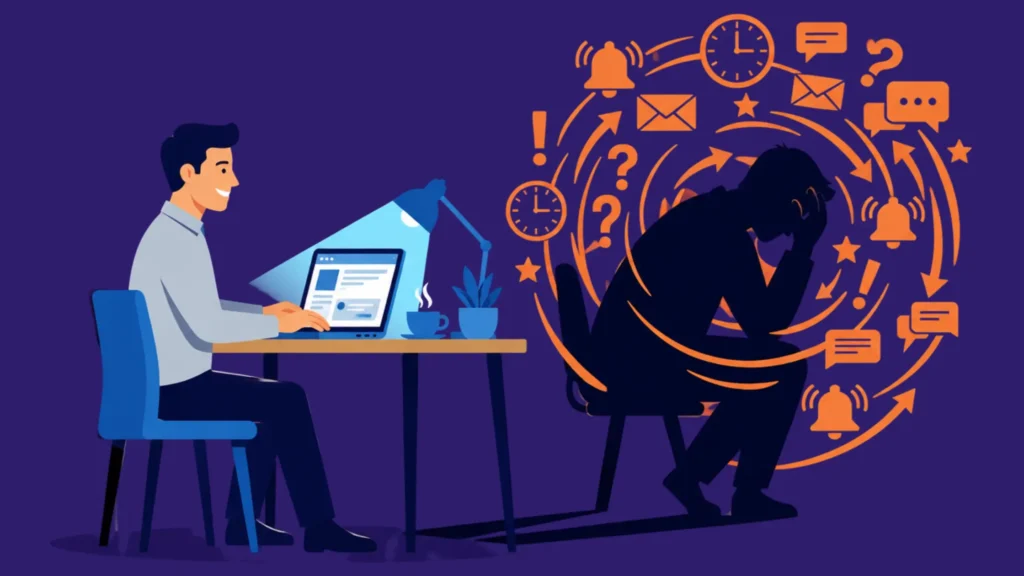
Arjun is 34 and everyone’s favorite colleague. He greets the lift attendant by name, hits every deadline, and says “All good!” so often that people stopped checking. What nobody sees is the tight band across his shoulders, the breath that never travels below his chest, and the heartbeat that jumps whenever his phone lights up. His smile is real. So is the alarm quietly ringing inside his body, and it has not stopped in months. Who is Arjun in your life?
Why We Mark This Day
National Stress Awareness Day falls on the first Wednesday of November, and the timing is no accident. Midweek is when the week’s energy runs thin: the fresh start of Monday is gone, the relief of the weekend is not yet in sight, and tiredness tends to settle in. The day began as an initiative to help workplaces talk about pressure honestly. Over the years it has travelled far beyond offices, into schools, hospitals, community groups and homes across the world. Today it is less about a single date and more about a shared invitation: to slow down, look after one another, and treat emotional wellbeing as something every person deserves. This year’s theme, “Shaping the Future of Stress and Wellbeing: Rehumanizing the Workplace,” reminds us that behind every role, target and smile is a person.
Why Stress Happens
Stress is not a flaw in your character. It is an ancient survival system doing its job. When the brain senses a threat, it releases adrenaline and cortisol; the heart speeds up, muscles tighten, and digestion pauses. This is brilliant when you need to dodge a speeding autorickshaw. It is far less useful when the “threat” is an unread inbox, a difficult conversation, or the feeling that you must always appear fine.
The trouble is that the body cannot tell the difference between a tiger and a 9 p.m. email. It simply reacts.
When Stress Becomes Chronic
three stages:
- The Surge: The body fires up: racing heart, sharp focus, a rush of energy. Arjun felt this before every big presentation.
- The Hold-On: You seem to cope, but sleep turns light; tempers shorten, and caffeine and willpower do the work. This is where Arjun lives, and where many people stay for years.
- The Drain: The reserves run dry. Burnout, anxiety, constant fatigue, and physical illness can follow, often without warning.
The cruel part is that the middle stage looks like success from the outside.
The Nerve That Keeps the Score
Here is an unexpected character in this story: the vagus nerve. Its name means “wandering,” and it earns it, travelling from the brainstem down through the heart, lungs and gut. Think of it as the body’s brake pedal. When it works well, it tells the heart to slow down and the body to rest and digest. Under long-term stress, that brake becomes sluggish.
The encouraging news is that this brake can be trained. Slow, deliberate breathing with a longer exhale, humming, gentle stretching, and even warm connection with another person all help the vagus nerve signal that it is safe to stand down.
The Triggers Nobody Puts on the List
We talk about deadlines and money, but some of the heaviest stressors are far quieter:
- The constant ping: Endless notifications keep the body in low-level alertness, even on weekends.
- Performing “fine”: Hiding how you feel is exhausting in itself.
- Unseen caregiving: Running a household, looking after children or ageing parents, and then logging in to work.
- Loneliness: Being surrounded by people yet feeling unseen.
Myths That Keep Us Silent
- “Stress means weakness.” It means you are human and carrying a load.
- “Strong people don’t talk about it.” Stigma silences many, especially men, who are often taught to “handle it” alone. Silence is a real risk.
- “Just relax.” If that worked, nobody would need this article.
- “If they’re smiling, they’re fine.” Arjun’s colleagues believed this for a year.
Stress Is Not Shared Equally
This is where awareness meets inclusion. Stress does not land evenly on everyone. Women who balance a double shift of work and home, people facing bias or microaggressions, colleagues who are neurodivergent or living with disabilities, and those from first-generation or underrepresented backgrounds often carry an extra layer of pressure that others never see. When we only ask, “Are you okay?” On the surface, we miss it. A truly inclusive workplace asks, “What is making this harder for you, and how can we change it?”
Small Habits That Calm the Alarm
- Yoga: Gentle movement combined with breath, such as cat-cow, child’s pose or a few rounds of bhramari (humming bee breath), nudges the vagus nerve toward calm and releases the shoulders Arjun forgot he was clenching.
- Mindfulness: Even five minutes of noticing your breath, your feet on the floor, or the taste of your chai pulls the mind out of tomorrow’s worries and into the present moment.
- Exercise: A brisk walk, a dance in the living room or a short workout burns off stress hormones and lifts mood. It need not be a gym session; it only needs to be regular.
- Socializing: A real conversation, a shared meal or a laugh with a friend may be the most underrated stress reliever there is. Connection tells the body it is safe.
These practices work best when they are open to everyone. Wellbeing should offer options for different abilities, cultures, beliefs and work schedules, so that nobody has to fit a single idea of what “self-care” looks like.
Rehumanizing the Workplace
Individual habits help, but they cannot fix a system that keeps the alarm ringing. Reasonable workloads, respected boundaries, flexible schedules, managers trained to listen, and spaces where people can say “I’m not okay” without fear are the real foundations of wellbeing. Rehumanizing work means seeing the person before the role, treating rest as part of performance, and designing workloads that respect real lives, including caregivers, people with different abilities and colleagues in different time zones.
A Closing Thought
Arjun did not break in a dramatic moment. He was worn down by a thousand quiet ones. On this National Stress Awareness Day, look past the smile in your team, your family and your mirror. Ask twice, listen fully, and let someone know that being tired of holding it all together is not a failure. It is a signal worth hearing. As an organization committed to inclusion, we want every person here to feel safe enough to say it out loud. That is how we shape a healthier future: a workplace where “I’m not okay” is met with care, not judgment.
“Stress is just your body’s way of asking for a holiday. Sadly, it never accepts a rain check.”
Reference inspirations: Calm Blog and Verywell Mind on stress awareness and the stress response. This article was written independently.